Before the Weekend Walk: How Local Rambling Became a Shared Pastime
Local rambling in Britain grew from practical journeys into shared recreation. See how its history can make an ordinary nearby walk feel more meaningful.
Why did people begin setting out on foot with no errand to run? Local rambling in Britain grew into a pastime through changing habits of leisure, shared outings and a desire to spend time outdoors. The story is not a single turning point; it is a gradual shift in what a walk could mean.
Walking has long served practical purposes, from reaching work to visiting places of worship. Recreation became another reason to go, but its history varied across communities and generations. Rather than pinning it to one sweeping account, it is more useful to notice how walking clubs, local paths and ordinary free time shaped the pastime.
Walking’s changing purpose
A footpath might once have been part of a working day, carrying someone between home, fields, a market or a neighbouring settlement. That practical use did not rule out enjoyment: people could appreciate a view while travelling for another reason. But a journey with an errand at its centre differs from choosing a route because the walk itself appeals.
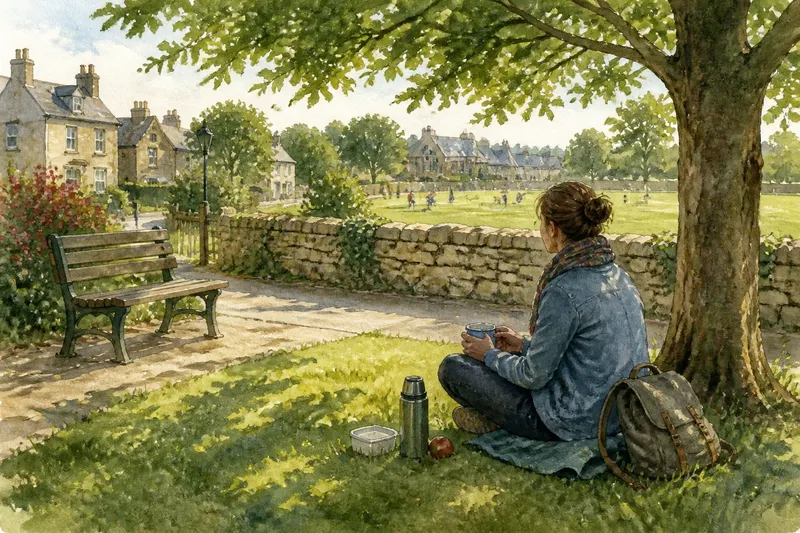
As leisure outings became a more visible part of social life, walking could sit alongside sightseeing, sketching or a visit to a beauty spot. People did not all gain the time or means to take such outings equally. Local paths offered one way to spend time outdoors without making a distant destination the point of the day.
Clubs and shared outings
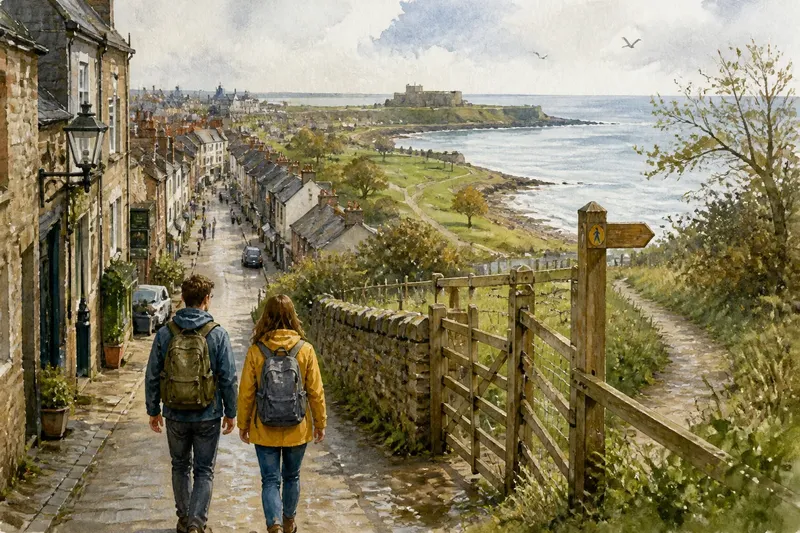
Walking clubs helped make rambling a regular social activity. Members could plan an outing, share knowledge of paths and set off in company. For someone unsure about unfamiliar countryside, a group’s experience could make the prospect feel more approachable.
Some walkers and organisations also took an interest in access. Paths and open land could be affected by changing land use or restrictions, prompting arguments about the right to walk where the public was entitled to go. That history is best understood through particular places and records, rather than treated as one uniform national story.
Not every club outing was a campaign. A shared afternoon might simply mean choosing a pleasant path, keeping one another company and returning with a sharper sense of the local area. The social habit mattered in its own right.
Rambling’s local character
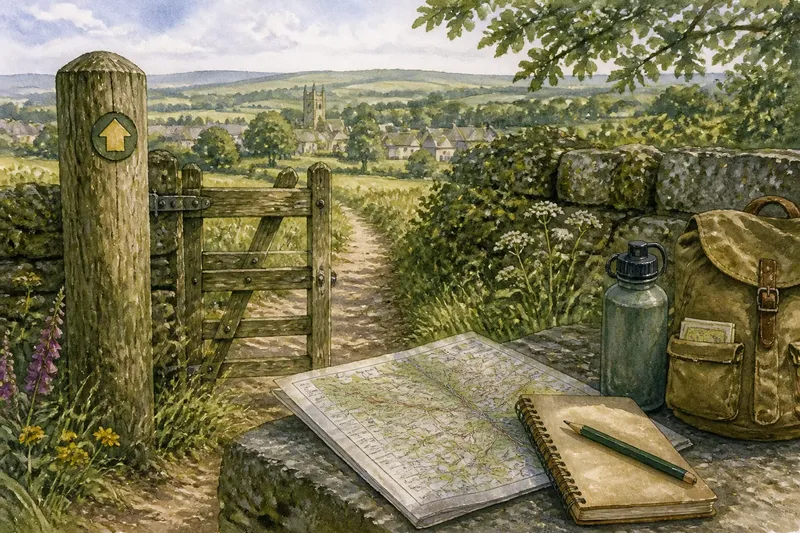
Rambling need not mean a remote landscape or a demanding day. It can be a modest outing chosen for the pleasure of being outside. A village green, a permissive path or a public footpath may each offer a different kind of walk, but the right of access is not the same for all three. Check local signs and a current Ordnance Survey map, and follow any route guidance before setting out.
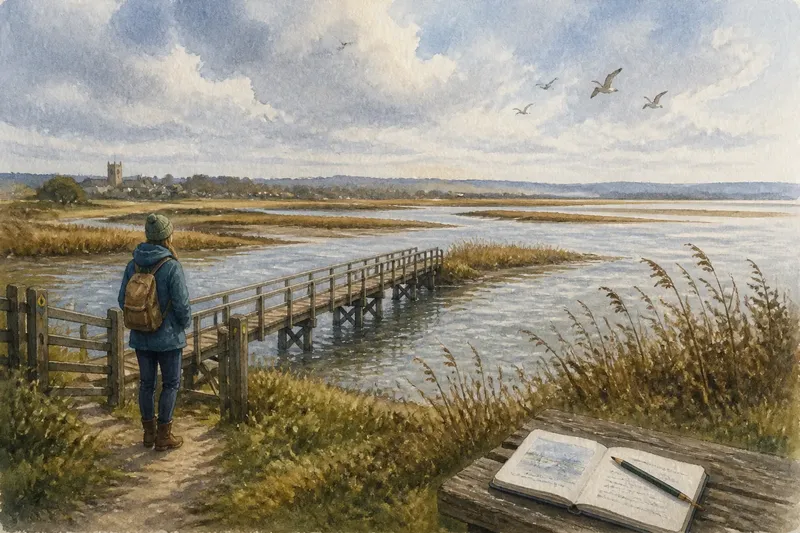
Say you have a free afternoon and want to spend it noticing details rather than covering ground. You check a current map for a public path near your neighbourhood, choose a short loop that starts and ends at a familiar bus stop, then look for signs of how the path is used: a worn gate, a waymark or a change in the surface. The result is a walk with a simple focus, not a claim that every track nearby is open to the public.
What do walkers ask?
Is rambling different from hiking?
The words overlap in everyday use. Rambling often suggests a recreational countryside walk, sometimes with a group, while hiking may suggest a more sustained outing; neither word has one fixed meaning everywhere.
Did everyone have access to the countryside?
No. Access depended on local rights, customs, land ownership and changing rules, and it was not equally available to everyone. Use current maps and on-site signs to identify paths you may lawfully follow.
Why did people join walking clubs?
Clubs offered companionship, planned outings and shared knowledge of routes. Some members also supported efforts to protect access, while others simply wanted to walk with company.
Can a short walk count as rambling?
Yes. Rambling does not require a far-flung destination or a long outing. A short walk for pleasure can count, as long as you choose a route suited to your plans and follow permitted paths.
Walking with attention
Knowing a little about rambling’s past can change what you notice on an ordinary walk. A path may have served practical travel, recreation or both at different times. Look at its surface, boundaries and signs without assuming that visible tracks are public routes.
For local rambling in Britain, the useful starting point is modest: choose a lawful path, leave time to pause and notice what is around you. A walk need not settle into one grand story; it can be a small, enjoyable part of the day, shaped by the place as you find it.